A Guide to Cosmetic Fragrance Oils: Choosing and Using Them Safely
Fragrance oils get lumped in with essential oils constantly, but they’re a genuinely different category of ingredient — understanding the distinction matters for both your formulation and your ingredient labelling.
Fragrance oil vs essential oil: the real difference
An essential oil is extracted from a single plant source — lavender flowers, tea tree leaves, orange peel. A fragrance oil is a manufactured blend of aromatic compounds engineered to produce a specific, often complex scent profile that doesn’t exist as a single natural extract — think Vanilla & Cocoa or Pear & Vanilla. If you need a scent that isn’t a single identifiable botanical, fragrance oil is the category you’re looking for, not essential oil.
Our fragrance oil range
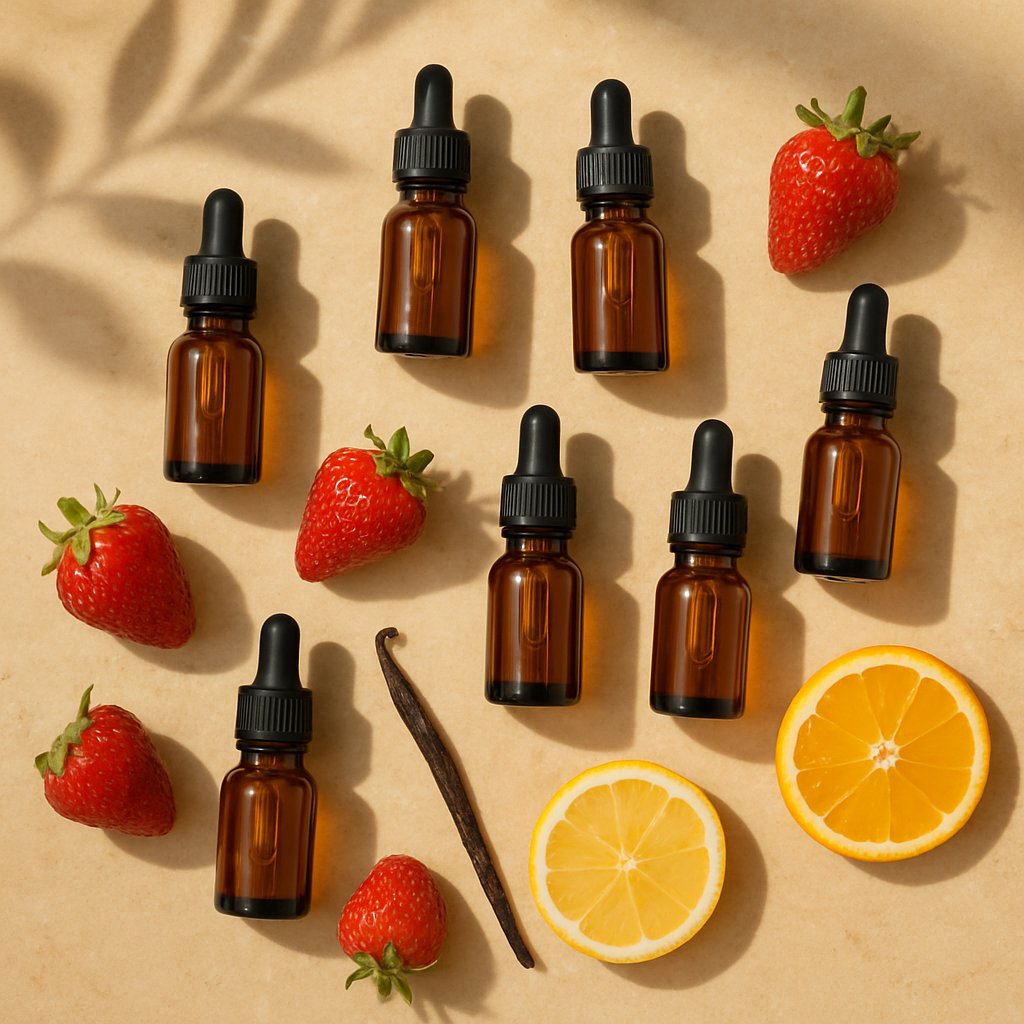
We stock six fragrance blends spanning fruity, floral and gourmand profiles: juicy Heavenly Fruits, sweet Strawberry, bright Lemon, bold herbaceous Lavender Fighter, and the gourmand pairings Pear & Vanilla and Vanilla & Cocoa.
Where fragrance oils are used
Soap-making, whipped body butters, candles and bath products are the classic applications — anywhere a complex, specific scent matters more than a single-note natural aroma. Fragrance oils are generally formulated to be compatible with cold-process soap-making specifically, which is worth checking for if that’s your intended use.
Usage rates and safety
Fragrance oils, like essential oils, are potent and should be used well within recommended usage rates — typically a small percentage of total formula weight, varying by product type and the specific fragrance blend. Always check the current safety data and recommended usage rate for the specific fragrance oil and finished product category before finalising a recipe, particularly for leave-on skin products versus rinse-off or candle applications, which carry different usage guidance.
Labelling honestly
If you’re selling a finished product containing a fragrance oil, your ingredient list should reflect that accurately — fragrance oils are typically listed as “fragrance” or “parfum” on an INCI-style ingredient list, distinct from how a single essential oil would be named. Check current labelling requirements for your market before finalising packaging.
Choosing a scent for your range
Match the fragrance profile to your product’s positioning: fruity and sweet scents like Strawberry or Heavenly Fruits suit playful, youthful ranges; gourmand blends like Vanilla & Cocoa suit indulgent, premium positioning; bold profiles like Lavender Fighter suit calming, wellness-focused products.